The Clock Starts Earlier Than You Think: What 'Fresh' Really Means at the Grocery Store
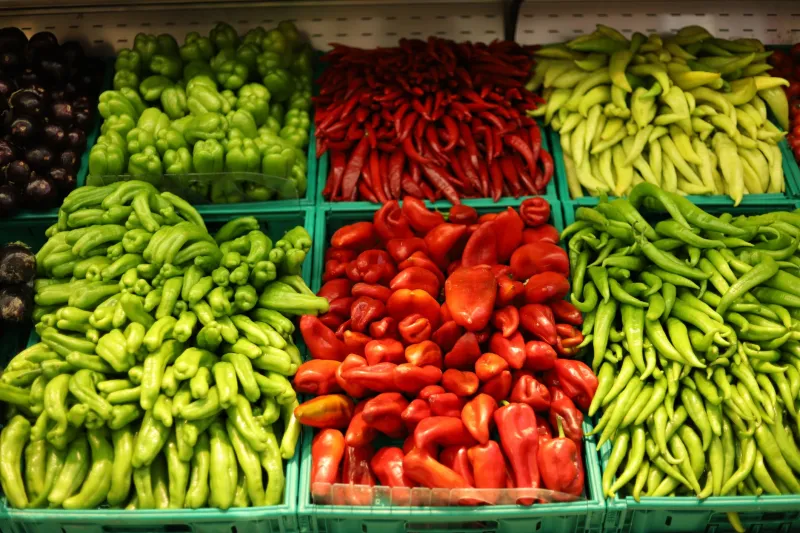
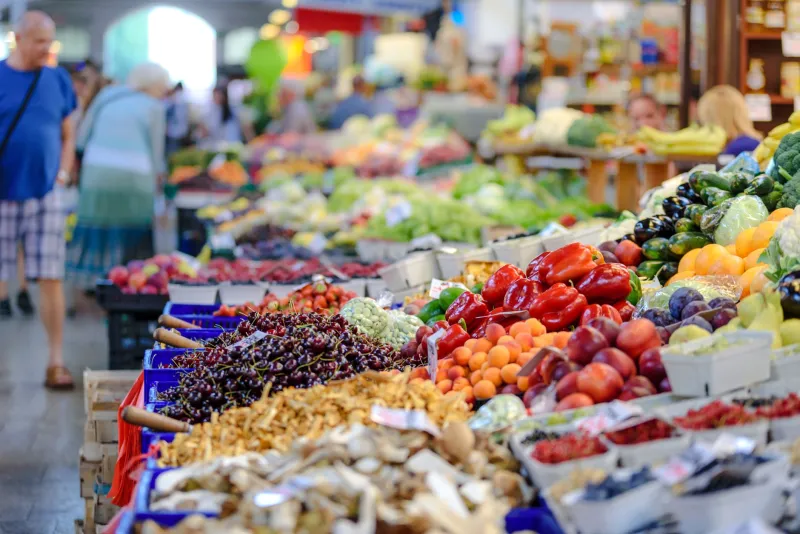
Pick up a tomato at your average American supermarket and you'll probably find a little sticker that says something like "farm fresh" or "just picked." It feels reassuring. It's meant to. But here's the thing nobody's printing on that sticker: the clock on that tomato's freshness may have started ticking five, seven, or even fourteen days before it landed in your hands.
This isn't a conspiracy. It's just supply chain math — and once you understand it, the slightly lumpy, still-warm tomato from the guy at your Saturday farmers market starts looking a whole lot more appealing.
From Field to Fridge: The Long Road Through the Distribution System
Conventional produce — even when it's labeled organic — typically moves through a multi-step journey before it reaches your cart. A head of lettuce grown in California's Salinas Valley might get harvested, packed, and loaded onto a refrigerated truck headed to a regional distribution center. From there, it gets sorted, sometimes repackaged, and shipped again to individual stores. Each leg of that journey adds time.
The USDA and various food scientists have documented this timeline extensively. Leafy greens can spend anywhere from four to fourteen days in transit and storage before hitting store shelves. Stone fruits like peaches are often picked underripe specifically to survive that journey. Even hardier vegetables like broccoli and spinach lose measurable amounts of vitamins C and folate within 24 to 48 hours of harvest — and that degradation doesn't pause because something got slapped with a "farm fresh" label.
Controlled atmosphere storage — where oxygen levels are reduced to slow ripening — can extend the visual shelf life of produce dramatically. An apple sitting in your grocery store's display might have been in cold storage for months. It looks fine. It might even taste fine. But the nutritional profile of that apple is not what it was the week it was harvested.
Why the Farmers Market Math Hits Different
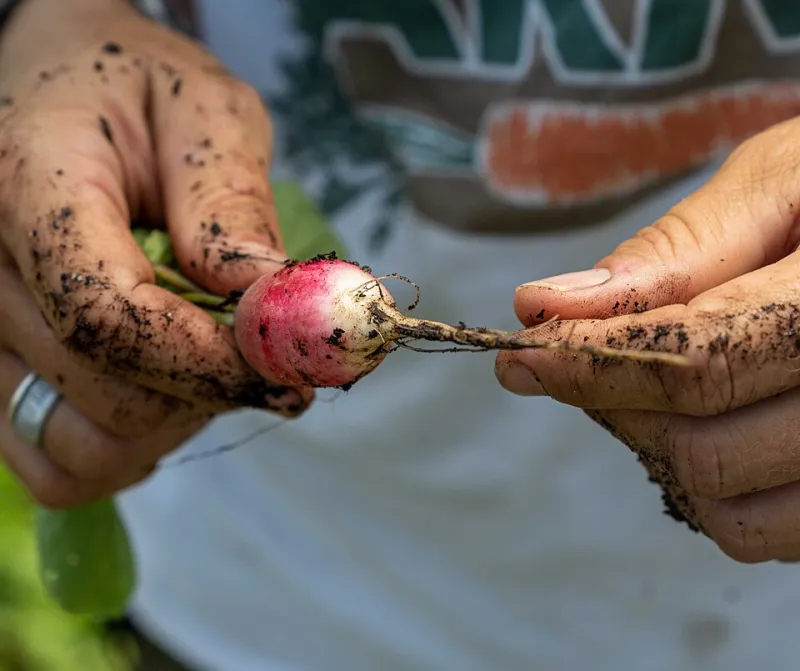
Here's the counterintuitive part. The farmer pulling up to your local market at 7 a.m. on a Saturday probably harvested that produce Thursday evening or Friday morning. That's a 24 to 48-hour gap between field and your hands — a fraction of what conventional distribution involves.
And because small-scale farmers aren't engineering their crops to survive a two-week truck ride, they're often growing varieties selected for flavor and nutrition rather than durability. Those heirloom tomatoes with the weird shapes and thin skins? They'd be destroyed by the commercial supply chain. But they're also — not coincidentally — some of the most nutrient-dense tomatoes you can eat.
Research from Penn State and other agricultural institutions has shown that produce harvested at peak ripeness contains significantly higher concentrations of antioxidants, vitamins, and phytonutrients compared to commercially harvested crops picked early. Ripening on the vine isn't just a romantic notion — it's the process by which plants actually develop the compounds that make them nutritious.
The Packaging Problem Nobody Talks About
There's a reason the farmers market tomato looks a little rough and the supermarket tomato looks like it was sculpted. Appearance is a proxy for freshness in the consumer's mind, and the conventional produce industry has spent decades optimizing for visual perfection.
But that optimization often works against actual quality. Wax coatings on cucumbers and apples extend shelf life but can trap pesticide residues and create a barrier that subtly alters flavor. Pre-washed and bagged spinach is convenient, but the washing and packaging process accelerates nutrient degradation. The clamshell container of strawberries that looks immaculate at the store? It was likely picked when only partially ripe to survive packaging and transport.
At the farmers market, the strawberries might be in a plain cardboard pint. Some of them might be a little squished. But they were probably picked that morning, and the flavor difference is the kind of thing that makes people stop mid-bite and say something out loud.
What the Labels Are (and Aren't) Allowed to Say
Federal labeling rules don't require grocery stores to disclose harvest dates for most fresh produce. "Farm fresh" is essentially unregulated as a marketing term. "Locally grown" has no standardized federal definition — in some retail contexts, it can mean anything within a 400-mile radius.
Organic certification tells you something meaningful about how food was grown — no synthetic pesticides, no synthetic fertilizers, third-party verified. But it tells you nothing about how long that food spent in a truck or a distribution center. An organic apple from a large commercial operation in Washington State that's been in controlled atmosphere storage for six months is still certified organic. It's just not fresh in any meaningful nutritional sense.
This is the paradox. The most rigorous label on your produce — USDA Organic — certifies the farming method, not the freshness timeline. And the freshest produce you can buy often comes with no label at all, just a handwritten sign and a farmer who can tell you exactly when they picked it.
How to Actually Shop for Fresh
None of this means supermarkets are useless or that every farmers market vendor is saintly. Some farmers market sellers source wholesale. Some supermarkets have genuinely strong relationships with regional farms. The point isn't to demonize one channel and canonize another — it's to give you better tools for evaluating what you're actually buying.
Ask questions. At the farmers market, ask when something was harvested. At the grocery store, look for signage indicating regional sourcing — not just "local," but actual farm names and locations. Some larger natural food retailers are getting better at this, listing farm partners and harvest regions explicitly.
Shop seasonally. Produce that's in season in your region is far more likely to be genuinely fresh than out-of-season items that had to travel thousands of miles to reach you. A tomato in August in the mid-Atlantic is a completely different product than a tomato in February that flew in from Mexico.
Trust your senses over the sticker. Produce that smells like something — that has a real, distinct aroma — is almost always fresher than produce that doesn't. Flavor and scent compounds are among the first things to degrade after harvest. If a strawberry smells like a strawberry before you even open the container, that's a better freshness signal than any label printed on the outside.
The Bottom Line
Freshness is a timeline, not a marketing claim. The supply chain that connects American farms to American grocery stores is efficient, impressive in its logistics, and genuinely useful for feeding a country of 330 million people. But it is not optimized for delivering the most nutritious version of any given vegetable to your plate.
The small-scale farmer at your local market, selling produce that looks a little imperfect in a plain paper bag, is often — not always, but often — handing you something nutritionally superior to what's sitting under the fluorescent lights a few miles away. That's not a knock on the grocery store. It's just the math of freshness, and it's worth understanding before you spend your food dollars.