The Label Isn't the Whole Story: What Your Local Farm Stand Gets Right That Big Organic Brands Don't
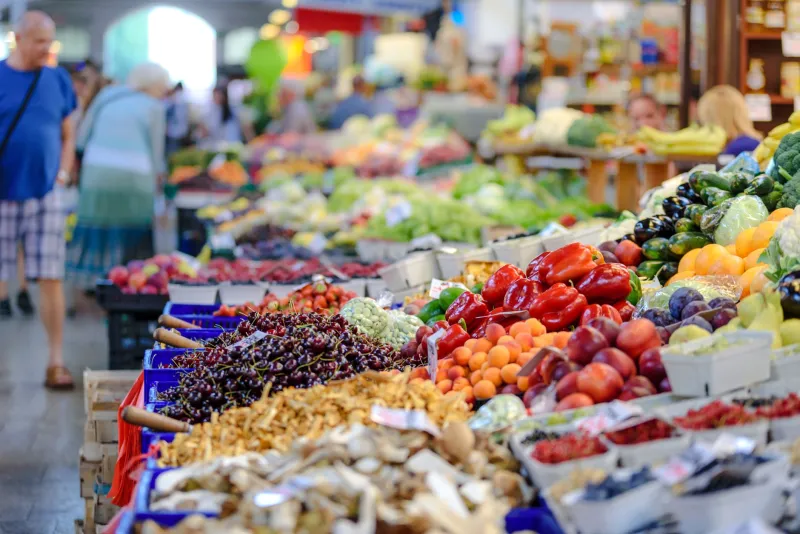
There's a moment a lot of us have had at the grocery store. You're standing in the produce aisle, organic spinach in one hand, and you're feeling pretty good about yourself. The bag has a green logo, a USDA seal, maybe a pastoral landscape printed on the back. It feels like the right choice.
But flip that bag over and look at the fine print. Grown in Mexico. Packaged in California. Distributed from a facility in New Jersey. That spinach has seen more of the country than most Americans have.
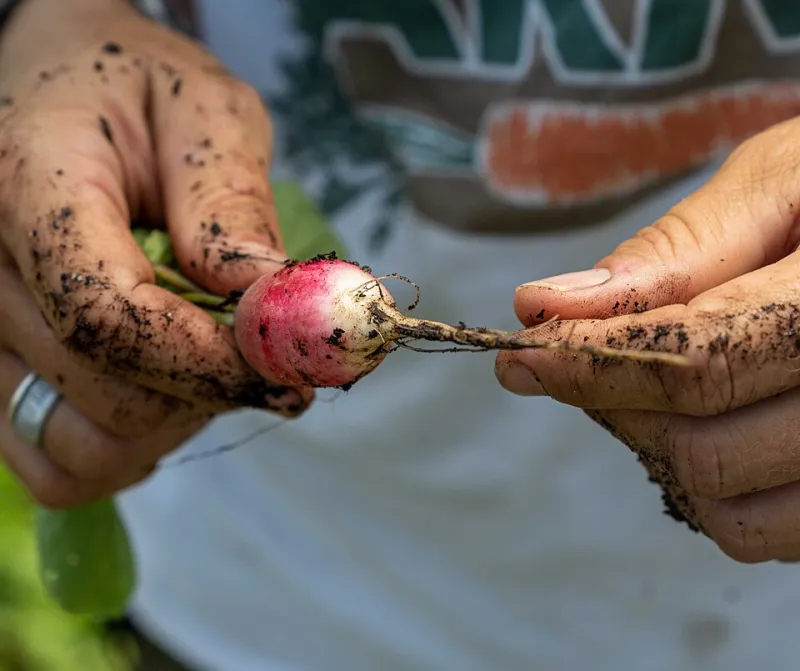
Now picture the farm stand you drove past last Saturday. No certification. No fancy packaging. Just a hand-lettered sign and a farmer who can tell you exactly what went into the soil. Which one is actually better for the planet?
The answer is more complicated than the organic industry would like you to believe — and understanding it could genuinely change how you shop.
What Organic Certification Actually Guarantees (And What It Doesn't)
Let's be clear: the USDA Organic certification is not meaningless. It prohibits synthetic pesticides and fertilizers, genetically modified organisms, and a range of other inputs that have real environmental consequences. That matters. We're not here to tear down organic certification.
But here's what the label doesn't tell you: how far your food traveled to reach you, how many hands and facilities it passed through, what the carbon footprint of that supply chain looks like, or whether the farm growing it is a 10-acre family operation or a 10,000-acre industrial operation that happens to meet the organic threshold.
Certification is a floor, not a ceiling. It sets minimum standards, but it says nothing about the full picture of sustainability.
The Mileage Problem
Food miles — the distance food travels from farm to fork — aren't the only factor in a food's environmental impact, but they're a significant one. Refrigerated trucking, air freight, and long-haul distribution all burn fossil fuels. When your organic salad greens are grown in the Salinas Valley, shipped to a distribution hub in Phoenix, and then trucked to a grocery store in Chicago, you're looking at a supply chain that stretches across half the continent.
A 2008 study from Carnegie Mellon found that transportation accounts for only about 11% of food-related greenhouse gas emissions — so it's not the whole story. But that figure shifts dramatically when you zoom in on specific product categories, especially fresh produce and dairy, where refrigeration and time-sensitivity drive up the logistics footprint significantly.
More importantly, food miles compound with other factors. A large-scale certified organic farm might still rely on heavy machinery, intensive irrigation systems, and a globalized input supply chain. The organic label tells you what wasn't used. It doesn't tell you what was.
Small Farms, Bigger Picture
Here's where your local farm stand starts to look really interesting.
Small regional farms — even ones without official certification — often practice what researchers and food advocates call de facto sustainable agriculture. They're growing diverse crops rather than monocultures. They're selling directly to consumers, which cuts out multiple layers of the supply chain. They're frequently composting, rotating crops, and managing soil health in ways that rival or exceed certified organic practices.
And because they're selling locally, their produce isn't spending three days in a refrigerated truck. It was probably picked within the last 48 hours. That freshness isn't just better for taste — it means less energy spent on cold storage and preservation.
Many small farmers also choose not to pursue organic certification for reasons that have nothing to do with their practices. The certification process is expensive — often running several thousand dollars a year — and administratively burdensome. For a small operation already running on thin margins, it can simply be out of reach. That doesn't make their food less clean. It just means they can't afford the paperwork.
The Greenwashing Gap
Large organic brands have gotten very good at selling a feeling. The earthy color palettes, the photographs of smiling farmers, the language about stewardship and care — it's effective marketing. But some of the biggest names in the organic packaged food space are owned by multinational corporations with complex supply chains and limited transparency about where their ingredients actually come from.
This isn't conspiracy theory territory — it's just the reality of how the food industry scaled organic production to meet mainstream demand. When organic became profitable, capital followed. And capital at scale tends to optimize for efficiency and margin, not necessarily for the kind of holistic sustainability that the organic movement was founded on.
That's not universally true, and there are large certified organic operations doing genuinely impressive work. But the point is that the label alone isn't enough information to make that judgment.
So What Should You Actually Do?
None of this means you should stop buying certified organic products. It means you should buy them with more curiosity and less automatic trust.
Here's a practical framework for thinking about it:
Ask where it came from. If you're at a farmers market or farm stand, just ask. Most small farmers love talking about their practices. If you're at a grocery store, check the country and state of origin on the label.
Look for regional first. A non-certified farm within 50 miles of your home is often a better environmental bet than a certified organic brand shipped from across the country or internationally. Know your regional growing seasons and buy accordingly.
Dig into direct-to-consumer options. CSA boxes, food co-ops, and farm-to-table delivery services that source locally are increasingly available across the US. Many of them work directly with small farms that use excellent practices but lack formal certification.
Use certification as one data point, not the only one. When you do buy certified organic — especially for the items on the Environmental Working Group's Dirty Dozen list — you're making a reasonable choice. Just don't let the label be the end of your thinking.
The Real Meaning of Sustainable
At Jasper Organics, we believe sustainability isn't a sticker. It's a set of relationships — between a farm and its soil, between a farmer and their community, between a consumer and the land that feeds them. Those relationships don't always come with official documentation.
The certified organic aisle at your grocery store is a step in the right direction. But the farm stand at the end of your county road, run by someone who's been building that soil for twenty years and sells out by noon every Saturday? That might be the most sustainable food you can buy — label or not.
Next time you're choosing between the two, ask a few more questions. The answers might surprise you.