Dirt, Bugs, and Your Belly: The Surprising Science Behind Why Organic Food Loves Your Gut
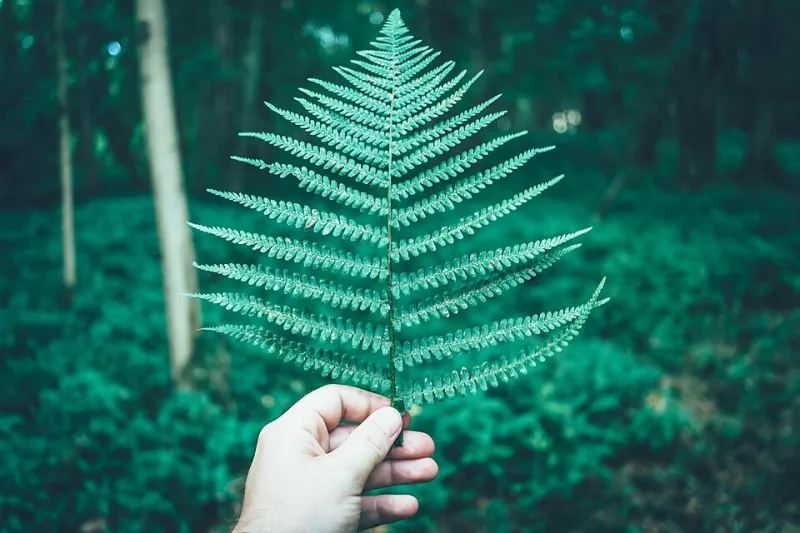
Photo: Rich Lock richlock, CC0, via Wikimedia Commons
We've spent decades scrubbing, sanitizing, and sterilizing our way through modern life. So it might feel a little counterintuitive when scientists start telling us that more microbes — not fewer — could be the key to better health. But that's exactly where the research is pointing. And it all starts somewhere most of us never think about: the ground beneath a farmer's feet.
What Lives in Organic Soil (And Why It Matters)
Healthy organic soil isn't just dirt. It's a living, breathing ecosystem packed with billions of bacteria, fungi, nematodes, and other microscopic organisms that work together to break down organic matter, cycle nutrients, and ultimately feed the plants growing above them.
Conventional farming disrupts this balance in a pretty significant way. Synthetic fertilizers deliver nutrients directly to plant roots, essentially bypassing the need for microbial activity. Pesticides and herbicides — even when applied carefully — don't just kill target pests. They knock out broad swaths of the microbial community in the process. Over time, conventionally farmed soil starts to look more like an inert growing medium than a living system.
Organic farming takes the opposite approach. By using compost, cover crops, and crop rotation instead of synthetic inputs, organic practices actively cultivate microbial diversity in the soil. The result? Plants grown in that soil are exposed to — and often carry traces of — a much richer microbial environment.
A 2016 study published in the journal PLOS ONE found that organically managed soils consistently showed higher microbial biomass and greater diversity compared to their conventionally farmed counterparts. That's not a minor footnote. That's a fundamentally different biological foundation for the food you're eating.
From the Soil to Your Salad Bowl
Here's where things get genuinely fascinating. Plants don't just sit passively in their soil — they interact with it constantly. Root systems communicate with surrounding microorganisms through chemical signals, absorbing water and nutrients through relationships with beneficial fungi called mycorrhizae. Some of those microbial interactions leave a trace on the plant itself.
Researchers have found that organic fruits and vegetables tend to carry more diverse surface microbiomes than conventionally grown produce. A carrot pulled from a biologically active organic field arrives at your kitchen with a different microbial fingerprint than one grown in heavily treated soil.
When you eat that carrot — especially if it's minimally processed or lightly washed — some of those microbes make the journey into your digestive tract. This isn't a bad thing. In fact, scientists studying the human microbiome increasingly believe that regular, low-level exposure to diverse environmental microbes is one of the ways we keep our own gut ecosystems balanced and resilient.
This connects to what researchers sometimes call the "Old Friends" hypothesis — the idea that human immune systems evolved alongside a wide range of environmental microorganisms, and that our modern, ultra-clean lifestyles have severed relationships our bodies genuinely need.
The Gut Microbiome: Your Body's Most Underrated Organ
You've probably heard the phrase "gut health" thrown around a lot lately, and with good reason. The gut microbiome — the roughly 38 trillion microorganisms living in your digestive tract — plays a role in everything from digestion and nutrient absorption to immune function, mental health, and even chronic disease risk.
The diversity of that microbial community matters enormously. Studies consistently show that people with more diverse gut microbiomes tend to have stronger immune responses, lower rates of inflammatory conditions, and better overall metabolic health. Meanwhile, low microbial diversity has been linked to conditions like irritable bowel syndrome, obesity, type 2 diabetes, and depression.
So what shapes your gut microbiome? Diet is one of the biggest levers. Fiber from fruits, vegetables, and whole grains feeds beneficial gut bacteria. Fermented foods introduce live cultures. And increasingly, the source of your produce — how it was grown, what it was exposed to in the soil — appears to matter too.
A 2020 study from the University of California found that participants who shifted to an organic diet showed measurable changes in their gut microbiome composition within just a few weeks. The researchers noted increases in bacteria associated with anti-inflammatory activity and decreases in markers linked to gut permeability — the "leaky gut" phenomenon that's been connected to a range of chronic health issues.
What This Means for Your Shopping Cart
None of this means you need to overhaul your entire diet overnight or stress about every grocery run. But it does give you a genuinely compelling reason to think about where your produce comes from — beyond just pesticide residue or environmental impact.
When you choose organic, especially from farms that prioritize soil health (look for terms like "regenerative," "no-till," or "biodynamic" on labels and farm websites), you're not just avoiding something bad. You're actively choosing food that carries the biological richness of a healthier growing environment.
A few practical ways to lean into this:
- Buy locally when you can. Produce from nearby farms — especially those selling through farmers markets or CSA boxes — tends to be fresher and less processed, preserving more of its surface microbial diversity.
- Don't over-wash your vegetables. A thorough rinse is fine for food safety, but scrubbing organic produce aggressively with soap removes beneficial surface microbes along with any debris.
- Eat a wide variety of organic produce. Diversity in your plate drives diversity in your gut. Rotating through different organic vegetables exposes your microbiome to a broader range of beneficial compounds and microbes.
- Think about fiber alongside microbes. Organic vegetables tend to have higher polyphenol content, which acts as prebiotic fuel for the beneficial bacteria you're introducing.
The Bigger Picture
There's something quietly profound about this research. The health of the soil, the health of the plant, and the health of the person eating it are all part of the same continuous system. When we invest in farming practices that nurture microbial life in the ground, we're not just protecting the environment — we're literally feeding the ecosystem inside ourselves.
At Jasper Organics, this is exactly the kind of connection we think about when we source our products. Food isn't just fuel. It's a relationship between you and the living world that produced it. And when that world is cared for properly, it has a way of caring for you right back.
Your gut, it turns out, already knew that.